In the digital age, choosing the right server is crucial for both business and individual users. Singapore servers are highly favored for their superior network environment and stable performance. This article will provide you with a detailed guide to using the English version of Singapore server to help you easily get started and make full use of its advantages.
Singapore servers have become the first choice for many companies with their unique geographical location and high-quality network infrastructure. First of all, as a financial center in Southeast Asia, Singapore has strong data transmission capabilities and can provide users with a fast and stable access experience. Secondly, Singapore's legal environment is relatively loose and data protection regulations are sound, which enhances users' sense of trust. In addition, the low latency feature of Singapore servers makes the operation of cross-border services smoother. Choose a Singapore server and you will be able to enjoy these significant advantages.
There are several factors you need to consider when choosing a Singapore server. First, the configuration and performance of the server are key to ensure that it meets your business needs. Second, considering the reputation and customer support of the supplier, which is crucial to addressing potential issues. In addition, the scalability of services is also an important factor, and as the business grows, you may need more resources and services. Finally, checking user reviews and case studies can help you make smarter decisions.
Installing and setting up a Singapore server is not complicated. First, you need to register and purchase a server package. Typically, the supplier provides detailed user manuals and tutorials. During the setup process, you need to choose the operating system, the common ones are Windows and Linux, which depends on your technical level and application needs. Next, perform network configuration, including IP address, DNS settings, etc. to ensure that the server can access the Internet normally. Finally, remember to update your system and software regularly to ensure safety and performance.
To improve the performance of your Singapore servers, you can take a variety of optimization measures. First of all, using content distribution network (CDN) can effectively reduce latency and improve website loading speed. Secondly, perform regular performance monitoring to promptly detect and resolve potential problems, which can avoid service interruptions. In addition, rationally configuring databases and applications to avoid unnecessary resource consumption is also an important measure to ensure efficient operation of the server. With these optimizations, you will be able to get a better user experience.
Security is an issue that must be taken seriously when using Singapore servers. First, make sure to use strong passwords and change them regularly to prevent unauthorized access. Secondly, enabling firewalls and intrusion detection systems can effectively resist cyber attacks. In addition, data is backed up regularly to ensure rapid recovery in case of unexpected situations. Finally, keeping server software updated and timely patching security vulnerabilities is the basic measure to ensure server security.
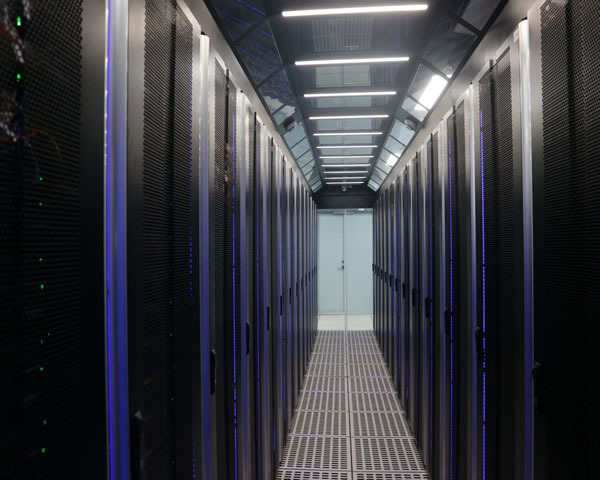
You may encounter some common problems while using a Singapore server. First, with regard to server speed, you can improve performance by choosing the right network scheme and optimizing settings. Secondly, if you encounter connection problems, it is very important to check network settings and firewall configuration. In addition, many suppliers provide 24-hour customer support to help you quickly solve technical difficulties. Understanding these common problems and solutions can help you use Singapore servers more smoothly.
Singapore servers have become an ideal choice for many businesses and individual users with their stability and fast network performance. Master its basic settings, performance optimization and security measures and you will be able to make the most of this resource. It is recommended to regularly evaluate the performance of the server during use and maintain good communication with the supplier in order to resolve possible problems in a timely manner. Through this guide, I believe that you can easily get started with Singapore servers and improve your online business efficiency.
- Latest articles
- How To Optimize The System To Improve Bandwidth Utilization And Speed After Purchasing A Vps In Thailand
- Common Misunderstandings About How To Connect To Vietnam Servers To Avoid Triggering Regional Bans
- GP Singapore Server Stability In-depth Evaluation And Deployment Best Practice Guide
- Website Migration Case Sharing SEO And Speed Changes After Switching Between Hong Kong Vps And Japanese Vps
- The Technical Team’s Experience Discusses The Three Core Indicators For Choosing The Best Vps In Korea
- Performance Tuning And Monitoring Methods Of Vietnam Cn2 Network In High Concurrency Scenarios
- Buy Cloud Servers In Thailand At Low Prices, Compare Manufacturer Discounts And Long-term Operation And Maintenance Costs
- Enterprise Deploys Japanese Native Dynamic IP Address Load Balancing And Failover Solution
- Use Vietnam's Native IP Cloud Server To Build A Private VPN And Corporate Intranet Acceleration Solution
- How To Choose The Appropriate HKEX Computer Room Server Configuration For Financial Business
- Popular tags
-

How To Evaluate The Security And Compliance Of Load Balancing Servers Provided By Vendors In Singapore
this article details how to evaluate the load balancing servers provided by vendors in singapore from a security and compliance perspective, covering key points such as qualification review, architectural security, data sovereignty, compliance standards and auditing. -

Monitoring And Log Analysis Improve Singapore CDN Server Cache Hit Rate And Response Speed
This article introduces how to improve the cache hit rate and response speed of Singapore CDN servers through monitoring and log analysis, covering indicator settings, log processing, hotspot detection, caching strategies and implementation suggestions to help optimize regional performance. -

How Does Alibaba’s Singapore Line Affect The Choice Of Cn2 Server?
this article explores how alibaba’s singapore line affects the choice of cn2 servers and helps companies make informed decisions.